
Reviewed · NEIGHBOR ISLAND DAY TRIPS FROM OAHU
Hawaii Volcanoes National Park Experience Departing from Oahu
The best part of this day trip is the sheer change of scenery. You leave Oahu by plane and, within hours, you are walking across black volcanic rock, peering into a lava tube, and feeling heat rise from steam vents at Hawaii Volcanoes National Park. Guides such as Mel, Henry, Brandon, and Jim add local stories about geology, culture, plants, and island life.
I like two things especially. First, the airfare and ground transport are arranged for you, which removes the usual rental-car puzzle. Second, you get more than a quick volcano stop: the day includes Kona coffee, a black sand beach, a rainforest trail, a bakery lunch stop, and several long stretches of scenery.
The tradeoff is time. This is an ambitious day, and driving makes up a large part of it. Delays, weather, and airport timing can also squeeze the schedule. If you want a slow Big Island holiday, stay overnight. If you have only one free day from Oahu, this tour makes a strong case for itself.
Key points to know before booking
- Eight-plus hours on the Big Island: You cover a wide section of the island, from Kona coffee country to the southern coast and Kilauea.
- Roundtrip airfare included: Your flight from Honolulu to Kona International Airport is part of the package, but transport to Honolulu Airport is not.
- Small group format: The maximum group size is 22, with some departures much smaller. That matters when boarding the vehicle and stopping for explanations.
- Several guides earn high marks: Mel, Henry, Brandon, and Jim are praised for humor, local stories, cultural context, and clear safety advice.
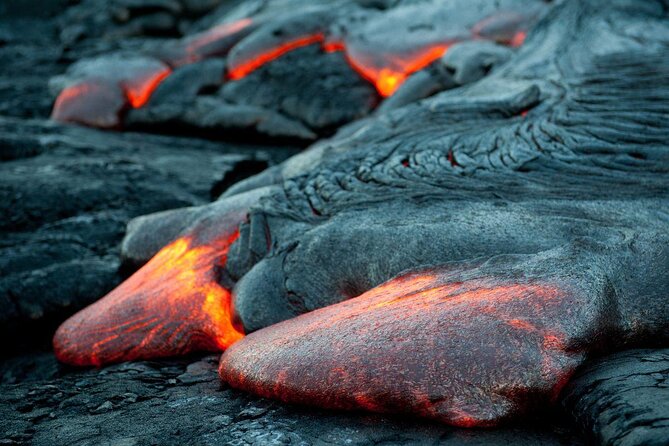
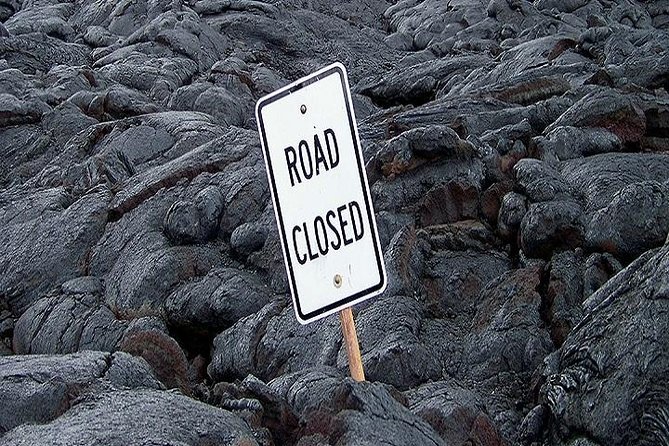
- Lava is never guaranteed: You may see steam, volcanic rock, and the glow of an active crater, but an erupting lava flow depends on current conditions.
- Bring real walking shoes: Wet forest paths, sharp volcanic surfaces, rain, wind, and cool high-country air call for layers and closed-toe footwear.
Is a $589.99 day trip from Oahu worth it?
At $589.99 per person, this is not a cheap add-on. But the price includes roundtrip airfare between Honolulu and Kona, an air-conditioned vehicle, admission to Hawaii Volcanoes National Park, and a full day with a local guide. Buying flights, arranging a rental car, paying for fuel, finding the park, and building this route yourself could easily turn into a costly and tiring project.
The value is strongest if you are based on Oahu and have no room for an overnight stay on the Big Island. You avoid packing another suitcase, changing hotels, and learning a new road system for one day. The tour also puts someone else in charge of the long drive, leaving you free to watch the terrain change.
The value is weaker if you already plan to spend several days on the Big Island. With more time, you could visit Hawaii Volcanoes National Park at a slower pace and add Hilo, the Hamakua Coast, or Mauna Kea without racing the clock.
A practical warning: the day starts early once you count your journey to Honolulu Airport, and it can run close to 12 hours. One day trip from Oahu can become a very long day from hotel door to hotel door. I would book it for the access, not for rest.
More neighbor island day trips from Oahu:
- Hawaii Volcanoes National Park Experience from Oahu
★ 4.5 · 42 reviews - One Day Heavenly Hana Tour: Island Hopping from Oahu to Maui
★ 4.5 · 17 reviews - Oahu to Big Island Volcanoes National Park Adventure Tour
★ 4.1 · 8 reviews
Kona coffee country starts the day
The ground portion begins at Kona International Airport, where you meet the driver near the lot behind Alaska Baggage Claim B-2. The stated meeting time is 8:00 a.m., so read the airport instructions carefully and keep your phone handy in case you need to confirm the exact pickup point.
Greenwell Farms gives you a first taste of the Kona district. The farm dates to 1850 and sits on the slopes of Mauna Loa, where volcanic soil, sunny mornings, afternoon cloud cover, and regular rain help create the conditions associated with Kona coffee.
You have about 30 minutes here. That is enough for an introduction and a look at the farm, but not a long plantation visit. Think of it as a useful opening chapter rather than the main event. Your guide can connect the coffee fields to the island’s volcanic ground and changing elevations, which gives the rest of the day more meaning.
The guide is part of the experience here. Mel and Henry, in particular, are known for turning the drive into a running lesson on coffee, plants, sea life, Captain Cook, and island history. If you enjoy asking questions, this is a good time to start.
Manuka State Wayside Park adds a quiet forest stop
Manuka State Wayside Park is a smaller, calmer stop than the major park sites later in the day. The 13-acre area sits along Highway 11 on the slopes of Mauna Loa and includes both wet and dry forest. Its two-mile nature trail passes native plants, volcanic features, and signs about the area’s ecology.
You have roughly 30 minutes, so you will not walk the full trail at a relaxed pace. Still, the stop breaks up the drive and gives you a look at a side of the Big Island that is easy to miss when everyone is focused on volcanoes.
The forest also helps explain how quickly Hawaii’s conditions change. One part of the island can be dry and sunlit, while another is damp and clouded. Bring insect repellent if you use it, and wear shoes with a firm sole. Flip-flops are a poor match for uneven paths and volcanic ground.
Punaluʻu Bake Shop is both lunch stop and local pause
Punaluʻu Bake Shop, in Naʻalehu, is known as the southernmost bakery in the United States. It opened in 1991 and sells Hawaiian sweet bread in flavors such as taro, guava, and mango, along with sandwiches, plate lunches, kalbi beef, pastries, and other baked goods.
You get about 30 minutes here. That sounds generous until a tour vehicle arrives and the counter line grows. If you are traveling with another person, divide the task: one person can order lunch while the other checks the baked goods. Trying to study the menu, wait for hot food, and shop for pastries in one short stop may leave you choosing one over the other.
This is one of those places where cash helps. Roadside stands, food trucks, and small local shops may accept cash only. Meals are not included, so bring money or a payment card, and do not count on the tour providing snacks.
The bakery stop has practical value beyond lunch. It gives you a chance to stretch, use facilities, and try a local food tied to the island’s plantation-era traditions. The fresh bread also travels well if you want something for the flight home.
Same island, a completely different sort of day:
- Oahu Grand Circle Island and Haleiwa Tour: 9-Hr Deluxe Experience
★ 5.0 · 17,387 reviews - Oahu: Grand Tour Around Island 16 Locations plus Snorkeling
★ 5.0 · 8,669 reviews - Salute to Pearl Harbor Including USS Arizona
★ 4.5 · 7,433 reviews - Majestic Circle Island Tour with Lunch
★ 5.0 · 7,014 reviews
Punaluʻu Black Sand Beach shows the island being made
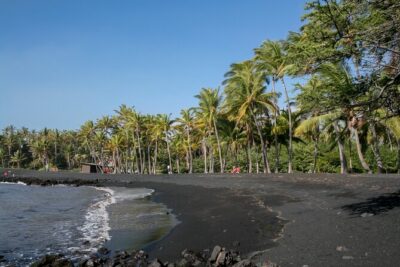
Punaluʻu is one of the visual highlights of the route. The sand is black because volcanic basalt has broken down along the coast. Coconut palms and dark shoreline make a sharp contrast, and Hawaiian green sea turtles may rest on the beach.
You have about 30 minutes, which is enough for photographs and a look along the shore. It is not a beach day. The water can be rough, and swimming is not the main reason to stop.
Give the turtles space and do not touch them. The beach is also part of a living cultural setting, not just a photo backdrop. Stay within marked areas and follow your guide’s directions.
This stop is especially useful if volcanic geology feels abstract to you. At Punaluʻu, the link is right under your feet. The black grains show how lava, ocean, and time work together to shape the coast.
Hawaii Volcanoes National Park is the main event
The park receives about two hours of focused touring, though exact stops can shift with weather, volcanic conditions, road access, and the day’s flight schedule. Admission is included, and your driver provides the attraction tickets.
A typical visit may begin with orientation at the visitor center. This helps you understand the island’s volcanoes before you see the craters and lava formations. The guide adds context about eruption history, native Hawaiian culture, and the forces still shaping the island.
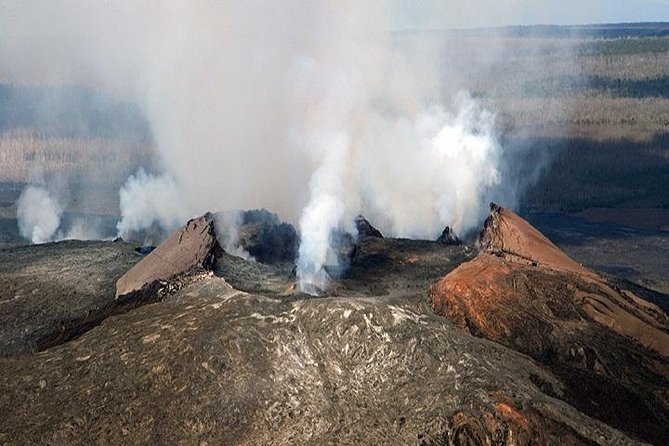
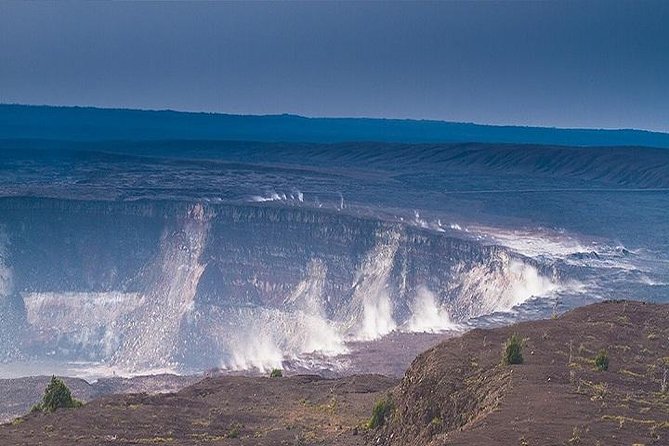
Halemaʻumaʻu Crater is the dramatic centerpiece. Depending on current conditions, you might see a glow or active volcanic signs, but no operator can promise visible lava on a particular date. Eruptions can pause, weather can hide the view, and conditions can change quickly.
That uncertainty is part of the honest appeal. Even without flowing lava, you are visiting an active volcanic area and seeing steam, crater walls, old flows, and ground shaped by eruptions. One departure missed an eruption by a single day and still found the park worthwhile. Another was able to adjust the route and see lava when conditions allowed.
Kīlauea Iki Rainforest Lookout offers a different view. Instead of barren rock, you look across thick forest surrounding a huge crater. The contrast is striking: one side shows fire and collapse, while the other shows plants reclaiming the ground.
The Thurston Lava Tube is another strong stop. This natural tunnel formed when the outer surface of a lava flow cooled while hotter lava continued moving beneath it. Walking through the tube gives you a direct sense of how a volcanic flow can create a structure large enough for people to enter.
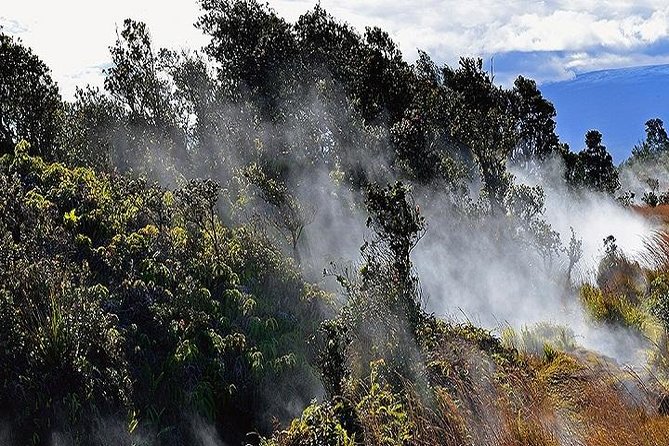
Steam vents bring the geology closer still. You may see vapor rising from cracks and feel warmth from below. Stay on marked paths, follow safety directions, and take respiratory warnings seriously. Volcanic gases, including sulfur dioxide, can worsen asthma and other breathing conditions.
The long drive is part of the lesson
This tour covers major distances, so the vehicle is not just transportation between attractions. It is where much of the interpretation happens. Guides such as Henry, Mel, Brandon, and Jim are praised for filling the road time with stories about plants, animals, Hawaiian culture, Captain Cook, coffee, volcanoes, and island history.
That can make a long drive feel worthwhile, but you should be realistic. A large portion of the day is spent seated. One account estimated roughly 40 percent of the excursion in the vehicle, and that is a fair warning for anyone who dislikes road trips.
The air-conditioned vehicle helps, and a maximum of 22 people keeps the group smaller than a large coach tour. Smaller groups also make it easier to get off the vehicle, hear the guide, and keep the day moving. On some departures, the group has been around 10 people, though you should plan for the stated maximum.
Guide quality matters a great deal here. Mel is often praised for warmth, island stories, and flexibility. Henry is known for setting clear group rules, keeping people on schedule, and making children feel included. Brandon receives credit for humor, safety guidance, and historical details. Jim, often called Uncle Jim by the people he guides, is described as friendly and passionate.
The exact guide is not guaranteed, but the experience depends heavily on having someone who can make the road time useful.
Mauna Kea, the Kohala Coast, and Hilo from the window
The route can include views or drive-by context connected with Mauna Kea Access Road, the Kohala Coast, and Hilo. These portions help you understand how varied the Big Island is, even when you do not stop for a full visit at each place.
Mauna Kea Access Road climbs from Saddle Road through changing climate zones toward the summit of Hawaii’s tallest volcano and highest point in the state. The road is steep and winding, and temperatures drop as elevation rises. This tour does not promise a summit visit, so treat this as scenery and geographic context rather than a stargazing excursion.
The Kohala Coast is drier than many other parts of the island and is known for beaches, resorts, and broad views. From the vehicle, you can see how sharply the island’s weather patterns change from the wetter east to the drier west.
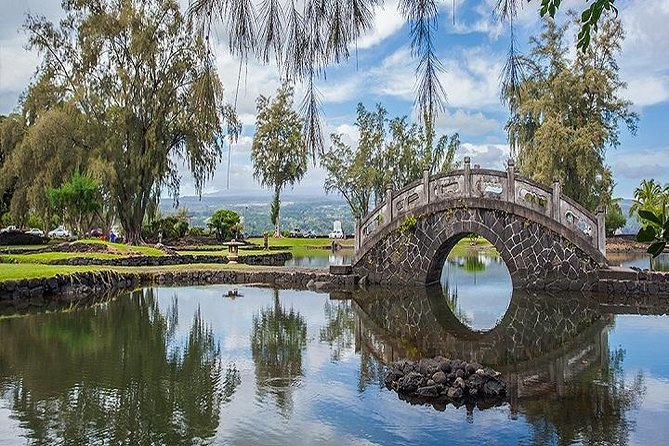
Hilo brings a different kind of interest. The town has the Lyman Museum, the Pacific Tsunami Museum, Liliʻuokalani Gardens, a historic district, and the Hilo Farmers Market. The tour does not promise extended time at each attraction, but your guide may point out the town’s cultural and natural importance as you pass through or travel nearby.
Do not confuse this route with a full Big Island circle tour. It is a concentrated day built around southern sights and Hawaii Volcanoes National Park, with added views of the island’s broader regions.
What to pack for volcanic weather
Weather can turn quickly, especially at higher elevations. Pack a light rain jacket, one warm layer, sunscreen, a hat, water, snacks, and sturdy closed-toe shoes.
A small umbrella may help in wet weather, but a rain jacket leaves your hands free and packs more easily. Bug spray can also be useful at forested stops, but if you carry it through airport security, keep it within the applicable liquid limits.
Cell service may be limited or absent in parts of the park. Download any needed maps or confirmation details before leaving, and keep the airport meeting instructions available offline.
Respect sacred sites and leave rocks, plants, and other natural items where you find them. Carry your rubbish out, stay on marked trails, and listen closely when your guide discusses volcanic gas or unstable ground.
Car seats are available for children age four and under. Most people can take part, but the day includes airport transfers, a long vehicle ride, walking, uneven surfaces, and changing weather.
Who should book this Big Island day trip?
I would choose this tour if you are staying on Oahu, have only one available day, and want to see an active volcanic area without arranging flights, a rental car, and a long route on your own.
It also suits you if you enjoy learning while you drive. The strongest part may not be a single viewpoint, but the steady stream of explanations from a guide who can connect coffee, forests, beaches, lava, culture, and weather.
I would hesitate if you need a leisurely pace, dislike long drives, have serious respiratory concerns, or expect guaranteed flowing lava. I would also compare the cost with a separate Big Island stay if you already have several vacation days available.
For a one-day visit from Oahu, I think the price is reasonable because airfare and park access are built in. Just pack for a full, changeable day and accept that the island cannot be reduced to a tidy schedule.
FAQ
How long does the experience last?
The tour lasts about 12 hours, with more than eight hours spent on the ground on the Big Island.
Is airfare from Oahu included?
Yes. Roundtrip airfare between Honolulu International Airport and Kona International Airport is included.
Is transportation to Honolulu Airport included?
No. You must arrange your own transportation to Honolulu Airport.
Where do I meet the tour vehicle?
Meet at Kona International Airport near the lot behind Alaska Baggage Claim B-2. The stated meeting time is 8:00 a.m.
Is Hawaii Volcanoes National Park admission included?
Yes. Admission is included, and the driver provides the attraction tickets on the morning of the tour.
Are meals included?
No. Meals are your own expense. The tour stops at Punaluʻu Bake Shop, where you can buy sandwiches, plate lunches, baked goods, and other food.
Will I definitely see flowing lava?
No. Volcanic activity changes, so flowing lava or a visible eruption cannot be guaranteed.
What should I wear?
Wear comfortable closed-toe shoes suitable for uneven volcanic ground. Bring layers and a rain jacket because conditions can change quickly.
Can children join the tour?
Most people can participate, and car seats are available for children age four and under.
What happens if the tour is canceled because of weather?
You will be offered a different date or a full refund if poor weather causes the cancellation. You can also cancel for a full refund up to 24 hours before the start time.
Newest Honolulu write-ups
- Waikiki: Turtle Canyon Snorkel Tour with Small Group★ 3.4 · 5 reviews
- Waikiki: Surf Lessons Easy 60 min classes no crowds!★ 4.9 · 21 reviews
- Waikiki: Snorkeling & Ocean Playground Experience★ 4.4 · 57 reviews
- Waikiki: Waikiki Night Marchers Ghostly Walking Tour★ 4.9 · 6 reviews
- Waikiki: Sunset Swim & Sailing Experience★ 4.5 · 3 reviews
- Waikiki: Rock-A-Hula Show Ticket and Buffet Option★ 4.5 · 51 reviews
- Waikiki: Sea Turtle Snorkeling, Small Group Boat Tour★ 5.0 · 14 reviews
- Waikiki: Family, Private, and Group Surfing Lessons★ 5.0 · 4 reviews
Neighbor Island Day Trips from Oahu, compared.
Hawaii Volcanoes National Park Experience from Oahu
Read our review →
One Day Heavenly Hana Tour: Island Hopping from Oahu to Maui
Read our review →
Oahu to Big Island Volcanoes National Park Adventure Tour
Read our review →
One-Day Tour Hawaii Movie Tour: Island Hopping from Oahu to Kauai
Read our review →Browse the lists this tour appears in