Reviewed · TOURS
Honolulu: Liljestrand House Architectural Tour
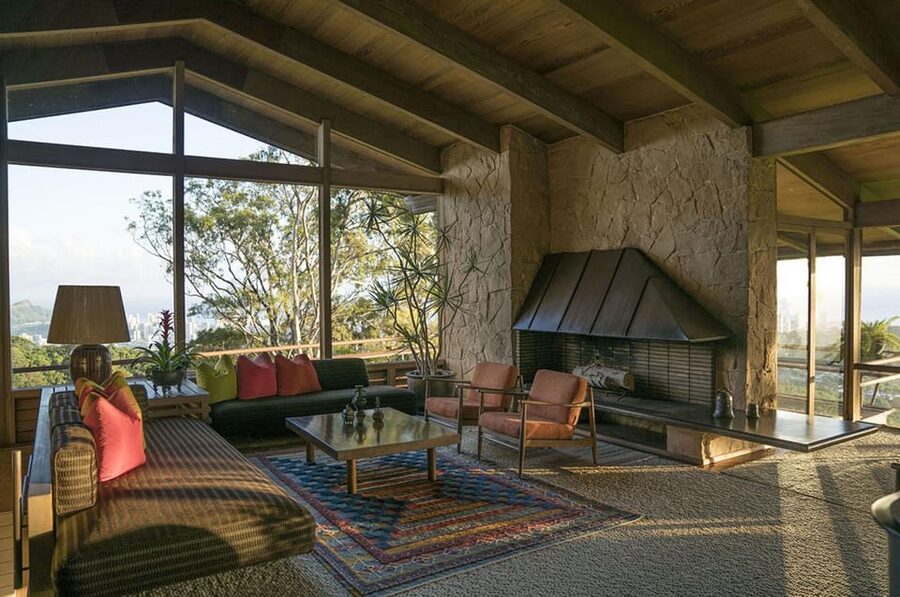
The Liljestrand House gives you something Honolulu rarely offers: a close look inside a private mid-century home designed by Vladimir Ossipoff, one of Hawaii’s key modern architects. Original furnishings, artwork, and woodwork help you see the house as a complete work of design rather than a collection of rooms.
I like the small group, limited to 10 people, because it suits a house where details matter. I also like the personal link between the Liljestrand family and Ossipoff. If Perry leads your visit, he can add unusual insight from having lived on the mountain and known the architect.
The main consideration is comfort. The house has no air-conditioning, and it can feel hot in summer and fall. You also need to remove your shoes and leave backpacks, large bags, tripods, extension poles, and selfie-sticks behind.
Key points to know before booking
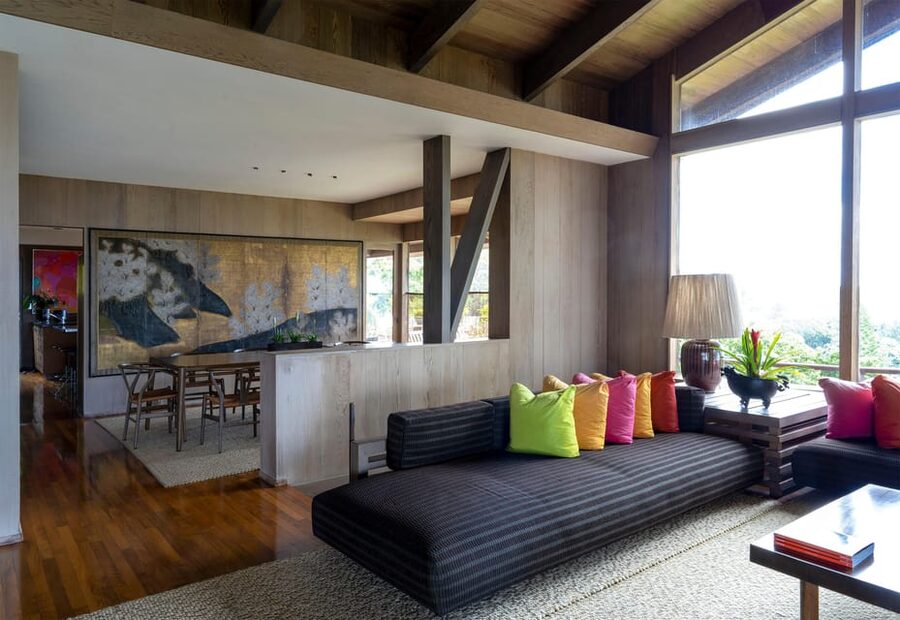
- See Ossipoff’s view management in a real home: The design directs attention outward while keeping the house tied to its setting.
- Original details remain in place: Furnishings and artwork help explain the home as a unified design.
- Keep the group small: A maximum of 10 people makes it easier to follow the guide and ask questions.
- Plan for a shoe-free visit: Fragile wood floors require everyone to remove shoes.
- Perry may bring rare personal context: He lived on the mountain and knew Vladimir Ossipoff.
- Your ticket supports preservation: The Liljestrand Foundation uses the house for education and cultural programs.
Why the Liljestrand House matters in Honolulu
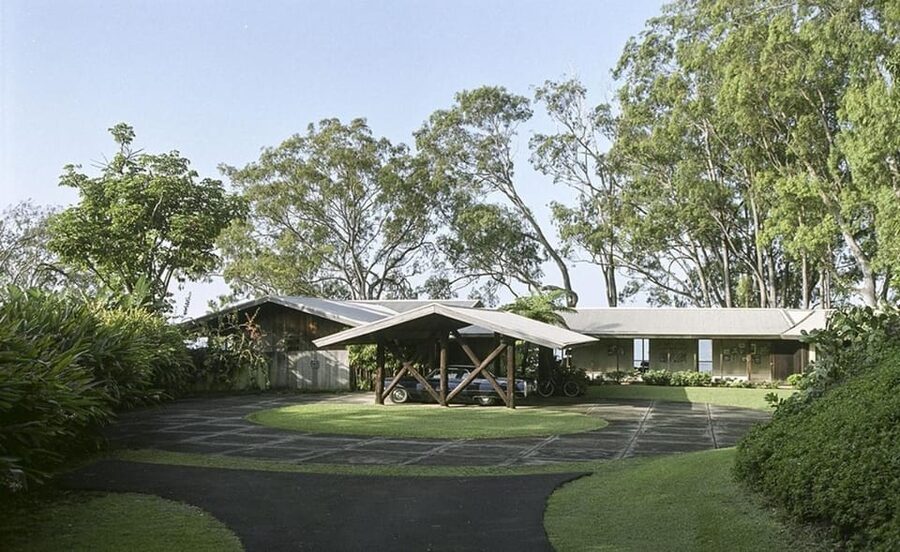
The Liljestrand House is more than an attractive old home. It is a preserved example of Hawaiian modern architecture, a style shaped by Hawaii’s climate, materials, light, and outdoor setting.
Vladimir Ossipoff’s work is best understood from inside a building like this. You do not simply look at a photograph and hear that he valued natural materials. You see how the parts work together: wood, furnishings, art, openings, and carefully managed views all contribute to the experience of the house.
That matters because modern architecture can seem cold when you see it only in photographs. Here, the original contents help make the design readable. The home was created as a place for daily life, not as an abstract exercise in geometry.
The Liljestrand family’s long friendship with Ossipoff adds another layer. You learn about a house shaped by a close relationship between architect and owners, rather than a one-off commission with little connection between the people involved.
Still narrowing it down? These Honolulu days get booked alongside this one:
- Oahu Grand Circle Island and Haleiwa Tour: 9-Hr Deluxe Experience
★ 5.0 · 17,387 reviews - Oahu: Grand Tour Around Island 16 Locations plus Snorkeling
★ 5.0 · 8,669 reviews - Salute to Pearl Harbor Including USS Arizona
★ 4.5 · 7,433 reviews
Entering a preserved mid-century home
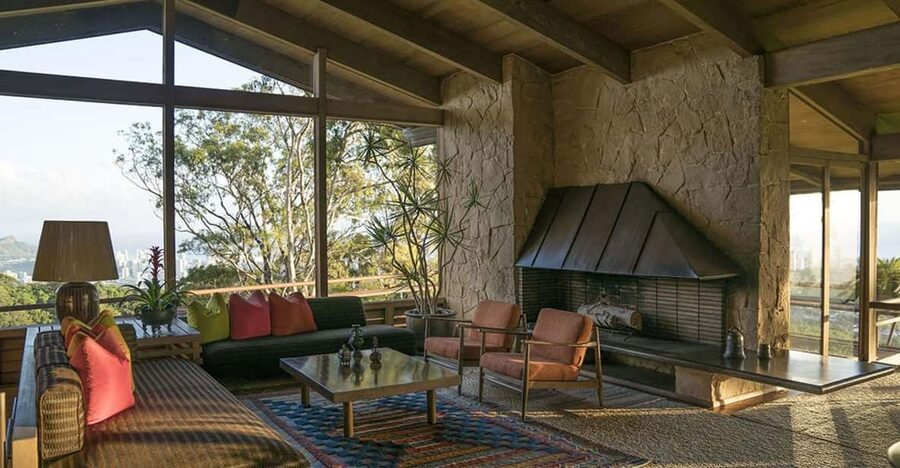
The tour begins with entrance to the Liljestrand House and an introduction to the property’s design and story. Since the group is capped at 10 people, you can expect a more intimate setting than you would find at a large museum.
That small scale is useful here. In a big building, a guide may point out a feature while half the group is still crossing the room. In this house, you have a better chance to pause, look closely, and ask about a material, furnishing, or view.
You must remove your shoes because the wood floors are fragile. Wear comfortable socks if you prefer not to go barefoot, and avoid arriving with a bag full of gear. Backpacks, large bags, tripods, extension poles, and selfie-sticks are not permitted.
The shoe rule is not a nuisance without purpose. It protects original fabric, which is part of what makes this visit valuable. You are seeing a house that has been cared for as an important piece of architecture, not a dressed-up replica.
Reading Ossipoff’s design principles room by room
The tour is built around Vladimir Ossipoff’s approach to Hawaiian modernism. The guide explains how the architect worked with natural materials and arranged views as part of the design.
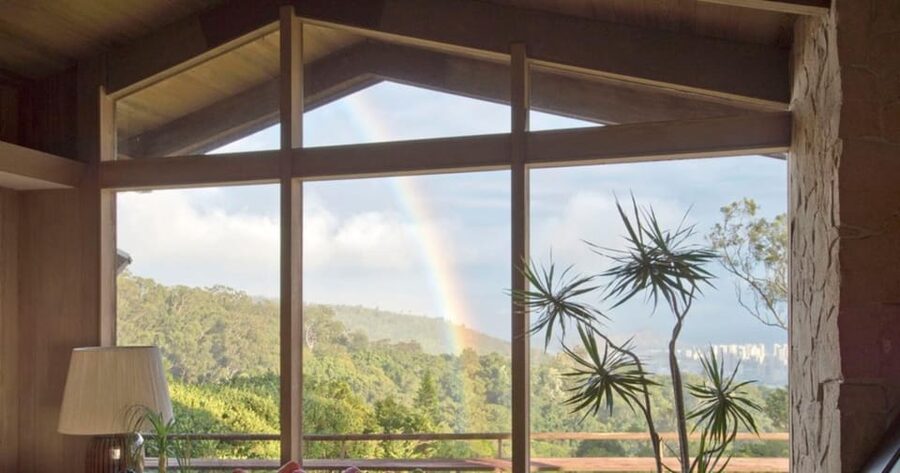
View management is one of the most interesting ideas to watch for. Instead of treating windows as simple holes in a wall, Ossipoff used the house to frame what you see. As you move through the rooms, pay attention to where your eye is directed and how the interior connects with the outside.
The experience is not only about seeing a nice view. It is about noticing the relationship between the view, the room, the materials, and the movement of people through the house. That makes this tour a good choice for anyone who likes architecture, design, photography without a tripod, or the practical side of how buildings work.
Natural materials also receive careful attention. You can study how wood contributes warmth and how the original furnishings fit the architecture. The tour helps you understand that these objects are not random decorations. They support the mood and purpose of the rooms.
I would not rush through this section. The house rewards quiet observation. Look at the way materials repeat, how the furnishings sit within the rooms, and how the artwork contributes to the whole. The point is not to collect a long list of architectural terms. It is to see how a designer made a home feel connected to its setting.
Original furnishings and artwork tell the family story
One of the strongest parts of the visit is the presence of original furnishings and artworks. These details give the tour a human scale.
An empty architectural shell can tell you about structure and proportion, but it cannot show as clearly how the owners lived with the design. Original contents help fill that gap. They show how Ossipoff’s ideas worked in daily life and how carefully the house was maintained.
The furnishings also help you understand the connection between architecture and taste. A chair, table, or piece of art can alter the way a room feels. In this home, the contents are part of the design conversation.
The Liljestrand family’s friendship with Ossipoff makes these objects more meaningful. You are not just looking at a period interior. You are learning about a personal partnership between a family and an architect who remained connected to the house.
That personal story is a good reason to listen closely to the guide. The tour is not limited to dates and construction facts. It also explores the people who shaped the home and the relationship that helped preserve its character.
Same island, a completely different sort of day:
- Majestic Circle Island Tour with Lunch
★ 5.0 · 7,014 reviews - Oahu’s Ultimate Tour: Dole, Turtle Snorkel, Pali Lookout & More
★ 4.5 · 5,461 reviews - Oahu Circle Island Tour with Turtle Snorkeling— Small-Groups
★ 5.0 · 5,214 reviews - Oahu: Pearl Harbor USS Arizona Memorial
★ 4.5 · 5,209 reviews
What the guide adds to the visit
The tour is led in English by a live guide. A guide is especially important at the Liljestrand House because many of the best details are ideas rather than obvious sights.
You can see a wood floor, an opening, or a piece of furniture on your own. The guide explains why those choices matter and how they relate to Ossipoff’s principles. That turns a pleasant house visit into a clearer lesson in architecture.
If Perry is leading your tour, you may hear an unusually direct connection to Ossipoff. Perry lived on the mountain and knew the architect, giving him personal context that a standard museum label cannot provide. His background can help connect the house’s design with the people who lived and worked around it.
Guide quality always affects a small architectural tour. Here, the format gives the guide room to respond to questions instead of delivering a rushed speech. I would use the opportunity to ask about the original furnishings, the family’s relationship with Ossipoff, and the way the house frames its views.
A 90-minute pace that leaves room for detail
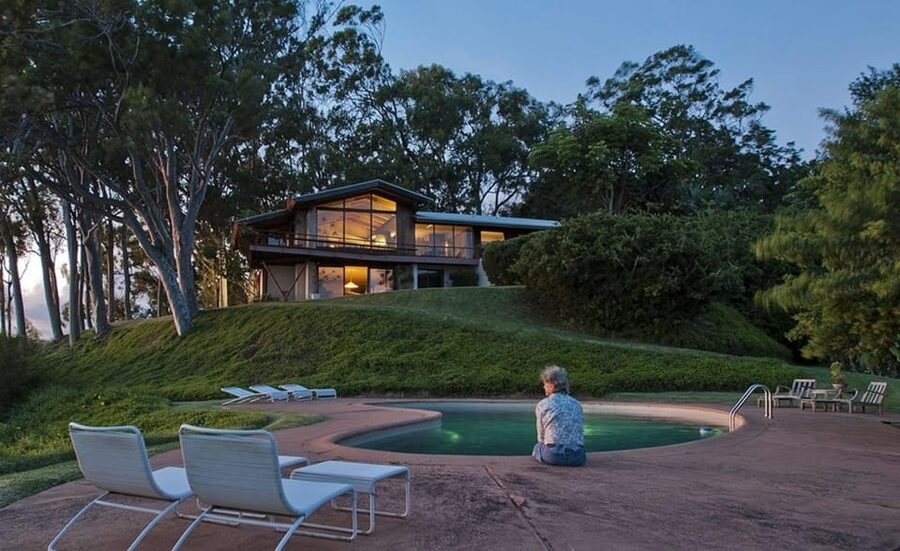
The tour lasts 90 minutes. That is long enough to cover the house’s design, materials, furnishings, artwork, and family story without turning the visit into an all-day commitment.
I like this length for a specialist tour. A shorter visit could leave you with little more than a quick look around. A much longer program might be tiring in a house without air-conditioning, especially during warmer months.
The pace may feel deliberate, and that is appropriate. Architecture is easier to understand when you have time to stop and compare one space with another. You will want to look up, across rooms, and toward the views rather than simply follow the group from one door to the next.
Because the group is limited to 10 people, the tour should feel more focused than a standard public house visit. It also means the date and starting time matter. Check availability before planning the rest of your Honolulu day.
Heat, shoes, and what to leave behind
The practical rules are simple, but they affect how you should prepare.
The house is not air-conditioned and can sometimes be quite hot during summer and fall. Choose light clothing and consider scheduling the visit when you are comfortable spending 90 minutes indoors without cooling. The supplied information does not promise a cool interior, so I would not treat this as a minor detail.
You must remove your shoes to protect the wood floors. Wear shoes that are easy to take off and put back on, and avoid making the process awkward with complicated footwear.
Smoking and vaping are not allowed. Pets are not permitted, and neither are backpacks, large bags, tripods, extension poles, or selfie-sticks. If you want photographs, bring only what the house rules allow and be ready to enjoy the architecture without a large camera setup.
Children under 10 are not suitable for this activity. The small-group format, fragile floors, and quiet focus make it a better fit for older children and adults interested in design.
Is $78 a fair price?
The tour costs $78 per person and includes entrance to the Liljestrand House and a live English-speaking guide. That is not a casual admission fee, so I would compare it with what you want from a Honolulu outing.
If you only want a quick look at a historic house, the price may feel high for 90 minutes. The value improves if you care about architecture, Hawaiian design, preservation, or original interiors. You are paying for access to a carefully preserved private home and for interpretation that helps you understand what you are seeing.
The small group also matters. With no more than 10 people, the experience is closer to a guided study visit than a crowded attraction. You have a better chance to hear the guide clearly and ask questions about Ossipoff’s methods.
Your ticket also supports the Liljestrand Foundation’s preservation and educational mission. That does not replace the need to judge the cost for yourself, but it gives the admission a purpose beyond simple entry. Your visit helps keep the house available for cultural and educational use.
Who will get the most from this tour?
I would recommend the Liljestrand House to you if you enjoy:
- Mid-century architecture and residential design
- Hawaiian modernism
- Original furnishings and art
- Small-group tours with time for questions
- Preservation projects and historic homes
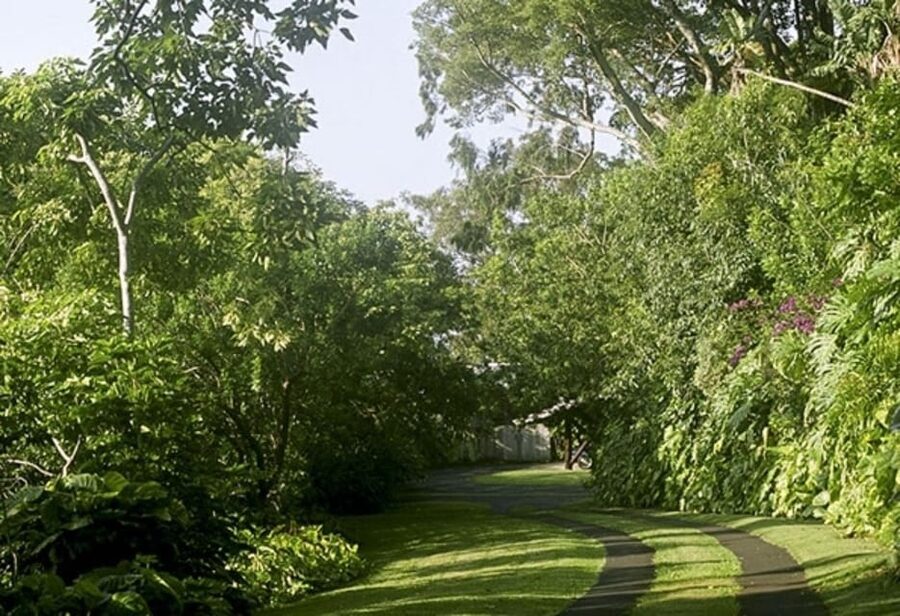
- The connection between buildings and their natural setting
You do not need to be an architect. The guide explains the ideas through the house itself, and the original details give you plenty to see even if you know little about Ossipoff before arriving.
I would think twice if you dislike removing your shoes, struggle with heat, or prefer a fast-moving sightseeing stop. This is a focused 90-minute visit, not a broad overview of Honolulu or a general city tour.
The tour is also not suited to children under 10. Older children may enjoy it if they already have an interest in buildings or art, but the experience asks for quiet attention and respect for fragile materials.
Booking flexibility and planning your day
You can cancel up to three days in advance for a full refund. That gives you some useful flexibility, but you should still check the available starting times before committing to other plans.
The tour is offered in English. Since it lasts 90 minutes, it can fit into a day built around other Honolulu activities, but I would avoid placing it immediately before anything time-sensitive. The exact starting times depend on availability.
Plan for the house rules from the start. Arrive ready to remove your shoes, leave large bags and prohibited camera equipment behind, and handle the warm conditions during summer and fall.
Should you book the Liljestrand House tour?
Book it if you want to understand Hawaiian modern architecture through one preserved home rather than through a broad city lecture. The combination of Ossipoff’s design principles, original furnishings, artwork, and the Liljestrand family story gives the visit real substance.
The strongest reason to go is the chance to see how an architect’s ideas function in a lived-in setting. If Perry leads your tour, his connection to Ossipoff adds an especially personal layer.
Skip it if you want air-conditioning, a casual walk-through, or a child-friendly activity for younger children. For anyone interested in design and preservation, though, the $78 price buys a rare, small-group look at an important Honolulu house and helps keep the property open for future education.
FAQ
How long does the Liljestrand House tour last?
The tour lasts 90 minutes.
How much does the tour cost?
The price is $78 per person.
What language is the tour offered in?
The live guided tour is offered in English.
How large is the tour group?
The group is limited to 10 participants.
What does the ticket include?
The ticket includes entrance to the Liljestrand House and a tour guide.
Can I cancel for a full refund?
Yes. You can cancel up to three days in advance for a full refund.
Do I need to remove my shoes?
Yes. Guests must remove their shoes because the wood floors are fragile.
Can I bring a backpack, tripod, or selfie-stick?
No. Backpacks, large bags, tripods, extension poles, and selfie-sticks are not permitted.
Is the house air-conditioned, and can children attend?
The house is not air-conditioned and can sometimes be hot during summer and fall. Children under 10 are not suitable for the tour.
Newest Honolulu write-ups
- Waikiki: Turtle Canyon Snorkel Tour with Small Group★ 3.4 · 5 reviews
- Waikiki: Surf Lessons Easy 60 min classes no crowds!★ 4.9 · 21 reviews
- Waikiki: Snorkeling & Ocean Playground Experience★ 4.4 · 57 reviews
- Waikiki: Waikiki Night Marchers Ghostly Walking Tour★ 4.9 · 6 reviews
- Waikiki: Sunset Swim & Sailing Experience★ 4.5 · 3 reviews
- Waikiki: Sea Turtle Snorkeling, Small Group Boat Tour★ 5.0 · 14 reviews
- Waikiki: Rock-A-Hula Show Ticket and Buffet Option★ 4.5 · 51 reviews
- Waikiki: Family, Private, and Group Surfing Lessons★ 5.0 · 4 reviews
Tours, compared.

Oahu Grand Circle Island and Haleiwa Tour: 9-Hr Deluxe Experience
Read our review →
Grand Tour Around Island 16 Locations plus Snorkeling
Read our review →

Oahu’s Ultimate Tour: Dole, Turtle Snorkel, Pali Lookout & More
Read our review →
Oahu Circle Island Tour with Turtle Snorkeling— Small-Groups
Read our review →

Pearl Harbor, USS Arizona Memorial & Honolulu City Tour
Read our review →