
Reviewed · OAHU WATERFALL HIKES
Manoa Falls eBike to Hike
Mānoa Falls is one of Honolulu’s easiest rainforest escapes, but getting there by electric bicycle gives the outing more shape than a simple waterfall walk. You pedal from Waikiki through changing neighborhoods and up Mānoa Valley, then trade the bike for a muddy forest trail beneath towering greenery.
I like the small six-person group, which keeps the ride more relaxed and lets the guide adjust the pace. I also like the practical touches: communication systems built into the bikes, cold water, snacks, lunch, and a guide who may take photos along the way. The main drawback is that the trail can be slippery, and the food stop may vary. One recent outing used a cafe that was open only because the guide’s usual place was closed for the low season.
Key points to know
- Waikiki to rainforest by e-bike: Ride from the Kūhiō Beach Hula Show area through Honolulu and up Mānoa Valley.
- A small group of six: The limited group size makes it easier to hear the guide and keep a comfortable pace.
- A muddy but manageable waterfall hike: The forest path is considered easy, yet rain can make it slick and slow.
- Several climate zones in one ride: The route passes through changing Mānoa Valley conditions as you gain altitude.
- Food and gear are included: You receive a helmet, water, snacks, lunch, park entry, and disposable rainwear if needed.
- Good guides are central to the experience: Kelly has been praised for clear explanations, patience, local information, and careful pacing.
Why the e-bike approach works so well
The appeal here is not simply reaching Mānoa Falls. It is the combination of city sightseeing, light exercise, and rainforest walking in one half-day outing.
Starting in Waikiki, you ride an electric bicycle instead of sitting in a van. That gives you a closer look at Honolulu’s streets, homes, and unusual architecture. You also get a gradual sense of the city changing as Mānoa Valley rises ahead. The motor helps with the climb, but you still pedal, so this feels more active than a standard sightseeing trip.
The bikes include an integrated communication system. That matters on a group ride because you can hear directions and commentary without constantly stopping or trying to catch the guide’s voice over traffic and wind. A small group of no more than six people also helps. You are not trying to keep up with a large parade of cyclists.
The route gains roughly 390 feet by e-bike, so you should expect some uphill riding. The electric assist makes the ride approachable for someone who is comfortable on a bicycle but does not want a hard workout. You still need to be able to mount, steer, brake, and ride independently. This is not suitable for anyone who cannot ride a bike.
More waterfall hikes on Oahu:
- Tour of North Shore & Waimea Waterfall
★ 5.0 · 3,682 reviews - All Inclusive Ultimate Circle Island Tour, Waimea Falls & Lunch
★ 5.0 · 3,067 reviews - Byodo In Temple, Waimea Botanical Garden-Waterfall: Includes Fees
★ 5.0 · 291 reviews
Meeting the guide beside Kūhiō Beach
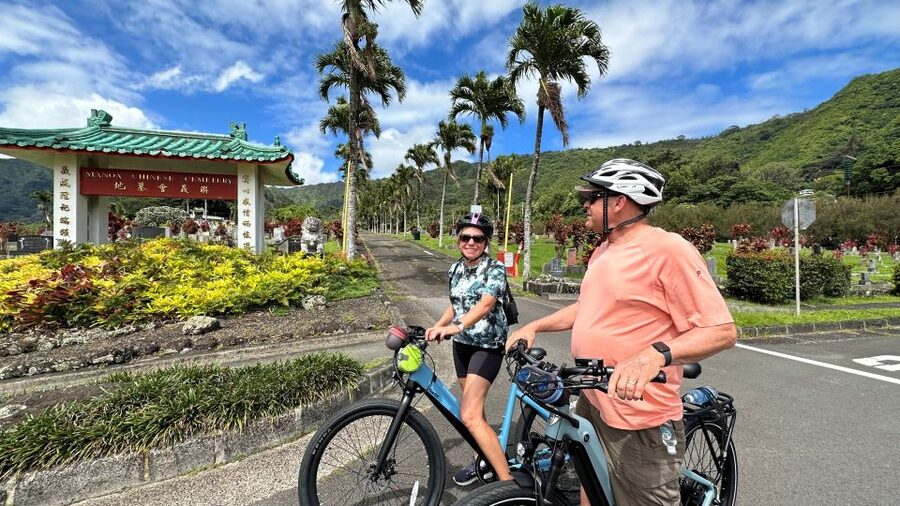
The meeting point is near the Kūhiō Beach Hula Mound and Banyan Tree area, across Kalakaua Avenue from the Hyatt Regency Waikiki Towers. Look for the bicycle guide in a green Bike Tour Hawaii shirt near the bike rack beside the beach.
This is a public Waikiki meeting area rather than a hotel pickup service. You need to make your own way there, and hotel transportation is not included. Give yourself enough time to locate the hula mound and bike rack, especially if you are unfamiliar with this stretch of Kalakaua Avenue.
The ride begins with a safety setup and an introduction to the electric bicycles. A helmet is included. Since the group is small, the guide can help you get comfortable with the controls before leaving the beach area.
Guides may lead the outing in English, German, Korean, or Japanese. Kelly has received particular praise for sharing plenty of information, keeping a good pace, and showing patience with families. That personal attention is one reason this format works better than a large group ride for people who want context along with exercise.
From Waikiki streets to Mānoa Valley
The first major part of the experience is the bike ride through Honolulu. The route is not only a transfer to the trailhead. It is a guided look at the city’s neighborhood architecture and the way the surroundings change as you move inland.
You start in a highly developed beach district, then ride toward Mānoa Valley. Along the way, the guide points out local details and gives the ride a sense of place. The route also passes through several microclimates. That phrase may sound technical, but you will notice the practical result: the conditions can shift as you gain height and move toward the valley.
The published schedule gives about 1.5 hours for the first bike tour, followed by the hike and another bike segment. The full activity is sold as four hours, so the timing of individual parts may be approximate. You should plan on a compact half-day experience rather than expecting every listed segment to run as a separate full block.
The route’s uphill gain is manageable with electric assistance, but do not treat the bike portion as effortless. You are still outdoors for several hours, and the day combines riding with walking. Comfortable clothing and shoes will make a real difference.
The Mānoa Falls trail and its changing conditions
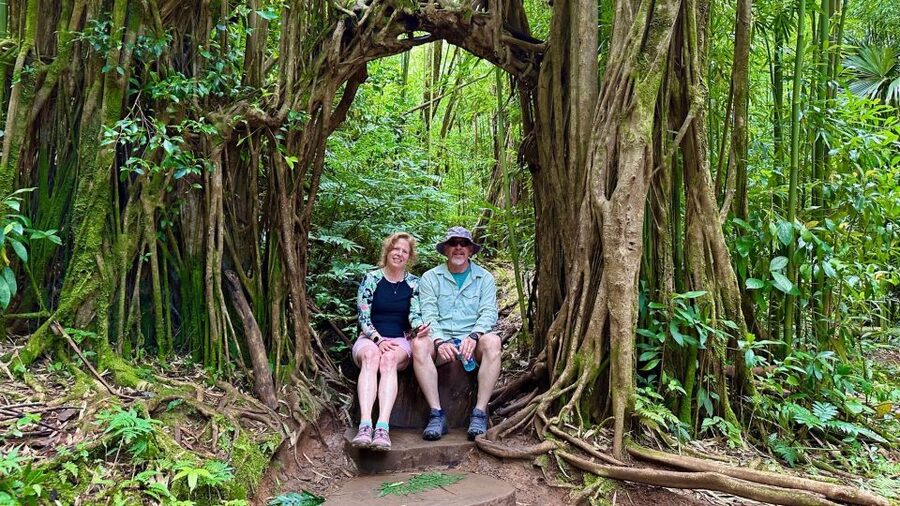
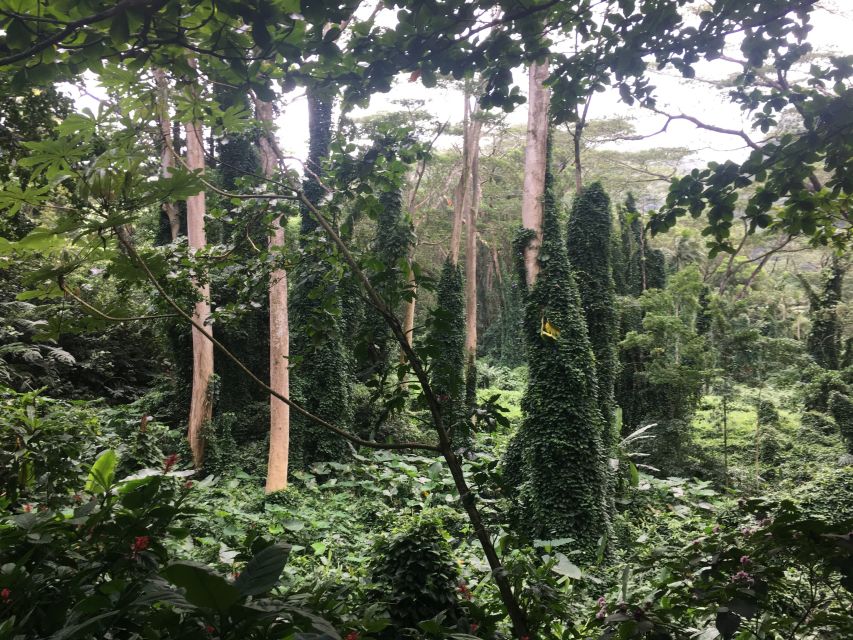
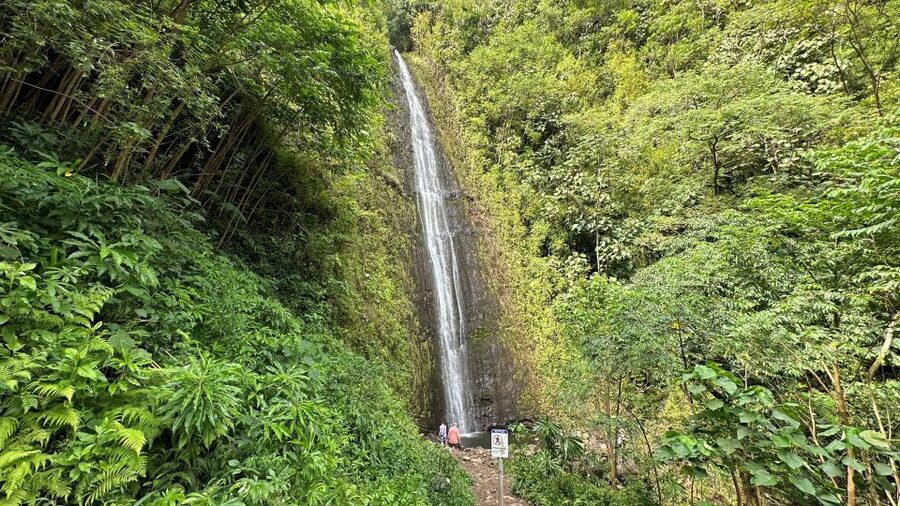
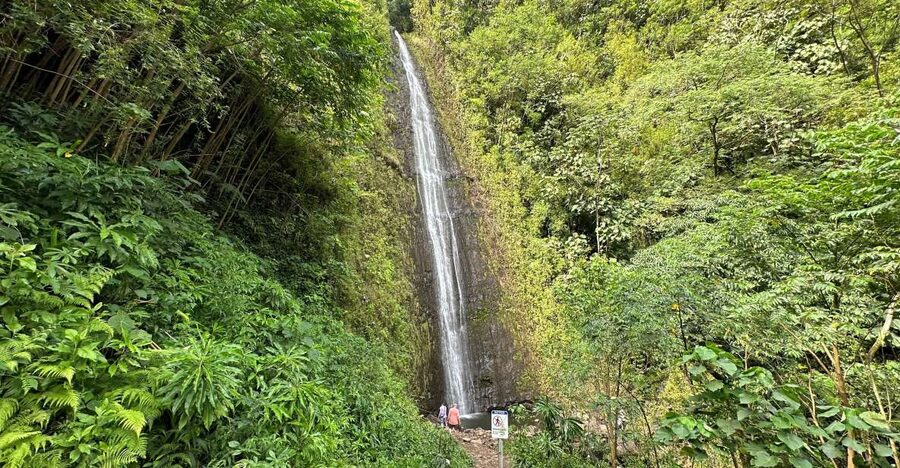
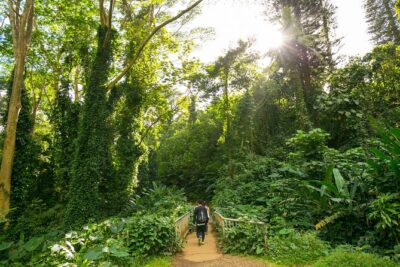
At Mānoa Falls, you leave the bikes and follow a rainforest trail toward the waterfall. The path is described as easy, but easy does not mean dry or perfectly smooth. Wet weather can make the trail muddy and slippery, so hiking shoes are the sensible choice.
The supplied details describe the walk as roughly 3/4 mile to one mile, with elevation figures ranging from about 330 feet to 800 feet. Those numbers do not line up perfectly, so I would prepare for a short but clearly uphill forest walk rather than relying on one exact distance or elevation figure.
The hike usually takes about one to two hours. Your pace, the amount of mud, and the time you spend at the waterfall all affect the total. If rainfall has been limited, the waterfall may be little more than a trickle. That does not erase the value of the walk, since the rainforest setting and valley scenery remain the main draw.
Bring rain gear even if the morning begins dry. Mānoa Valley can be wet, and disposable rainwear is provided for visitors who need it. You should still bring comfortable shoes and, ideally, proper hiking shoes that handle slick ground better than smooth-soled sneakers.
Bug spray is also a smart addition. It is not listed among the included items, and it was specifically recommended after one outing. A small bottle can make the forest portion more comfortable.
Same island, a completely different sort of day:
- Oahu Grand Circle Island and Haleiwa Tour: 9-Hr Deluxe Experience
★ 5.0 · 17,387 reviews - Oahu: Grand Tour Around Island 16 Locations plus Snorkeling
★ 5.0 · 8,669 reviews - Salute to Pearl Harbor Including USS Arizona
★ 4.5 · 7,433 reviews - Majestic Circle Island Tour with Lunch
★ 5.0 · 7,014 reviews
Ancient Hawaiian culture and local nature
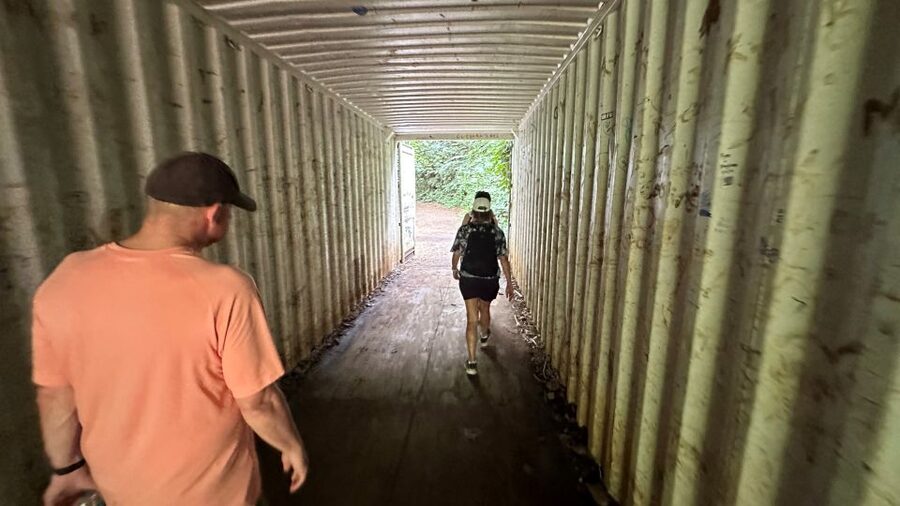
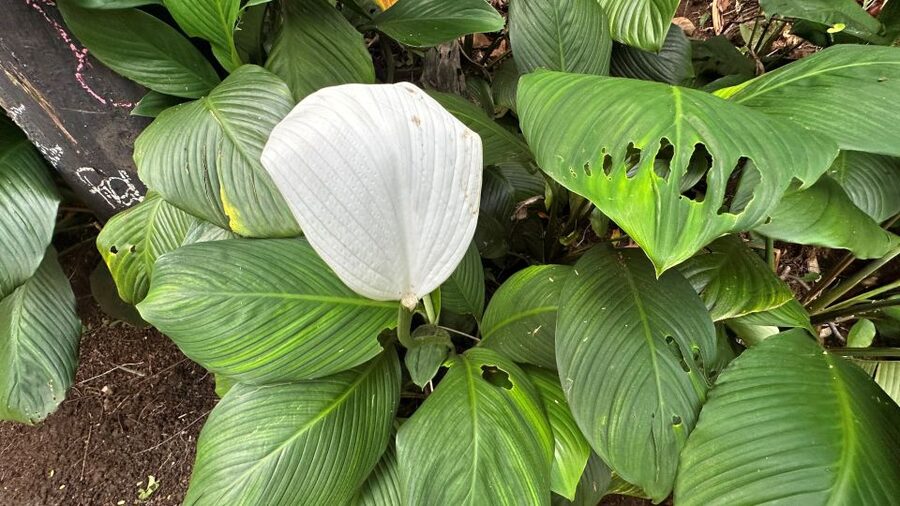
The guide brings local fauna and ancient Hawaiian culture into the walk. The value of this part depends heavily on the guide, since the experience is not just a marked trail visit. You are given a chance to connect the valley and its plant life with the wider story of Hawaiʻi.
The route offers a useful contrast. On the bicycle, you see working Honolulu neighborhoods and local architecture. On foot, you move into a rainforest environment that feels far removed from Waikiki. That change happens within a few hours, without requiring a long drive or a separate full-day excursion.
The movie connection adds a bit of fun. Mānoa Falls has appeared in several films, so the trail may look familiar even if you have never visited it. Still, the waterfall is not the only reason to go. In a dry period, the water flow may be weak, while the forest walk can remain attractive.
I would keep expectations flexible. This is not a guaranteed dramatic cascade on every date. It is a guided valley outing where the waterfall is the destination and the rainforest, weather, culture, and changing terrain are part of the experience.
Snacks, lunch, and the regional food stop
Food is included, with snacks, cold water, and lunch listed as part of the package. That is useful on an active four-hour trip, since you do not need to organize a separate meal before or during the ride.
The schedule includes a 35-minute regional food stop. This gives the outing a welcome change of pace after the bike ride and hike. It also adds a local food element rather than treating the day as exercise alone.
The quality of the stop can vary. One outing used a cafe that was not especially appealing because the guide’s usual cafe was closed during the low season. That is worth noting if food is a major reason for booking. The meal is a practical inclusion, but you should not choose this tour as a dedicated culinary experience.
The guide also provides treats and water. One family outing received more than 100 photos afterward, which shows how much extra care a guide may put into documenting the day. That service may vary by guide, but it is worth asking if photos matter to you.
What the $169 price covers
At $169 per person, this is not the cheapest way to visit Mānoa Falls. The price makes more sense when you add up what the tour combines: an electric bicycle, helmet, guide, communication system, park entry, snacks, lunch, cold water, and a guided rainforest hike.
You are also paying to avoid arranging several separate pieces yourself. You do not need to work out a bicycle route from Waikiki, figure out the uphill approach, organize park entry, or decide how to combine the city ride with the waterfall trail. The guide supplies structure and local context.
The value is strongest for you if you want an active outing and would enjoy seeing Honolulu along the way. It is weaker if your only aim is to stand at Mānoa Falls for a short time. In that case, a simpler visit may suit you better, though it would not include the guided ride, food, or neighborhood sightseeing.
The small group helps justify the price. With a maximum of six participants, the guide can answer questions, adjust the pace, and keep the outing personal. That matters more than it would on a short transfer or a basic bike rental.
Family appeal, age limits, and physical demands
This can be a healthy family activity for families with older children who meet the height requirement and are confident on bicycles. The minimum height is 4 feet 9 inches, or 150 centimeters. Children below that height cannot join.
The activity is not suitable for people over 80, pregnant women, or people with mobility impairments. Those limits apply because the outing combines bicycle handling, an uphill ride, and a slippery forest trail.
You do not need to be an elite cyclist. The electric assist helps with the climb, and the hike is considered easy. Still, you should be comfortable being outdoors for several hours and walking uphill on uneven ground. If rain has made the trail muddy, the outing can feel more demanding than the simple trail rating suggests.
Families should also consider the group pace. The guide has been praised for patience, but this is still a shared activity. Young children who tire quickly or dislike wet, muddy paths may not enjoy the forest section.
The return to Waikiki
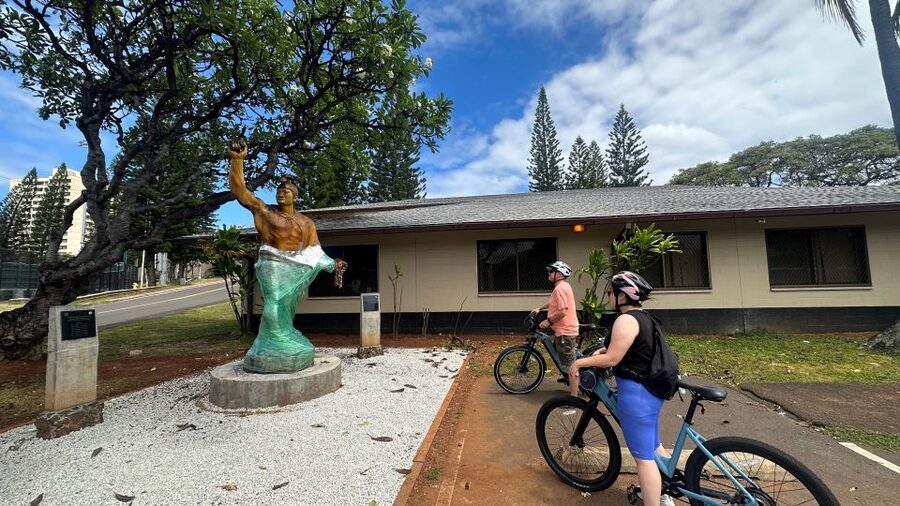
After the waterfall walk and food stop, you return by bicycle toward Honolulu and the original meeting point. The final route gives you another chance to see the city from street level rather than from a vehicle.
The schedule includes a short final bike segment before returning to the Kūhiō Beach Hula Show area. Since the tour begins and ends in the same Waikiki location, you can continue with beach time, shopping, or dinner without arranging a separate return transfer.
The four-hour length is useful for people who want a substantial morning or afternoon activity without giving up the entire day. Keep some flexibility in your schedule, since rain, trail mud, photo stops, and the pace of the group can affect timing.
Who should book this experience?
I would choose this tour if you want a guided active day that combines Honolulu, Mānoa Valley, and a rainforest walk. It suits couples, families with capable older children, and visitors who like local context but do not want a full-day excursion.
You should also consider it if driving is not appealing. The bike route turns the journey into part of the sightseeing, and the electric assist reduces the strain of the uphill approach.
I would think twice if you want a guaranteed powerful waterfall, dislike mud, or prefer a slow, unstructured visit. The falls may be thin during dry weather, and the trail can become slippery after rain. The cafe stop may also be ordinary rather than memorable.
FAQ
How much does the Mānoa Falls e-bike tour cost?
The price is $169 per person.
How long does the experience last?
The activity lasts about four hours.
Where does the tour meet?
Meet near the Kūhiō Beach Hula Mound and Banyan Tree area in Waikiki, across Kalakaua Avenue from the Hyatt Regency Waikiki Towers. Look for a guide wearing a green Bike Tour Hawaii shirt near the beach bike rack.
Is hotel pickup included?
No. Hotel pickup and drop-off are not included.
What languages are available?
The tour can be guided in English, German, Korean, or Japanese.
How many people are in the group?
The group is limited to six participants.
Is the bicycle included?
Yes. An electric bicycle and helmet are included.
What food and drinks are provided?
Cold water, snacks, and lunch are included. The schedule also includes a 35-minute regional food stop.
How long is the hike to Mānoa Falls?
The hike takes about one to two hours. The stated trail distance is roughly 3/4 mile to one mile, depending on the route details and conditions.
What should I bring?
Bring comfortable shoes, hiking shoes, and rain gear. Disposable rainwear is provided if needed, and bug spray is also a practical item to pack.
Can I cancel for a refund?
You can cancel up to 24 hours in advance for a full refund.
Should you book it?
Book this experience if you want more than a quick waterfall stop. The e-bike ride, small group, local commentary, included food, and forest hike create a well-rounded half-day outing. Kelly’s patient guiding style and the possibility of helpful extras such as photos add to the appeal.
Skip it if your priorities are a dramatic waterfall, a gourmet meal, or a completely easy walk. For everyone else, especially families and active couples who want to connect Waikiki with Mānoa Valley, this is a practical and memorable way to see more of Honolulu without spending the whole day in a vehicle.
More bike rides around Honolulu
- Half Day Oahu Combo Adventure: Bike, Sail and Snorkel
★ 4.5 · 68 reviews - Downhill Bike and Ko’olau Waterfall Hike Tour
★ 4.5 · 45 reviews - Full Day Oahu Bike, Hike, Sail and Snorkel Combo
★ 4.5 · 33 reviews
Newest Honolulu write-ups
- Waikiki: Turtle Canyon Snorkel Tour with Small Group★ 3.4 · 5 reviews
- Waikiki: Surf Lessons Easy 60 min classes no crowds!★ 4.9 · 21 reviews
- Waikiki: Snorkeling & Ocean Playground Experience★ 4.4 · 57 reviews
- Waikiki: Waikiki Night Marchers Ghostly Walking Tour★ 4.9 · 6 reviews
- Waikiki: Sunset Swim & Sailing Experience★ 4.5 · 3 reviews
- Waikiki: Rock-A-Hula Show Ticket and Buffet Option★ 4.5 · 51 reviews
- Waikiki: Sea Turtle Snorkeling, Small Group Boat Tour★ 5.0 · 14 reviews
- Waikiki: Family, Private, and Group Surfing Lessons★ 5.0 · 4 reviews
Oahu Waterfall Hikes, compared.
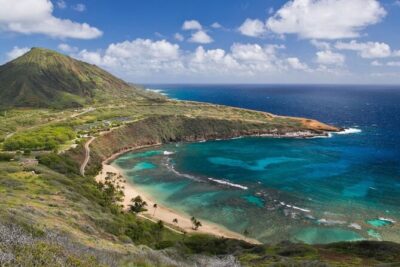
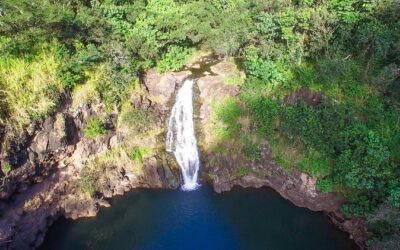
All Inclusive Ultimate Circle Island Tour, Waimea Falls & Lunch
Read our review →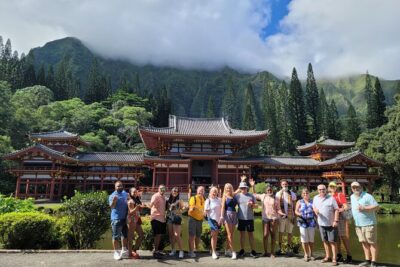
Byodo In Temple, Waimea Botanical Garden-Waterfall: Includes Fees
Read our review →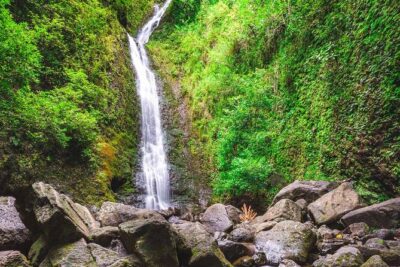
Self guided Hike Trail to Nature Walk & Waterfall
Read our review →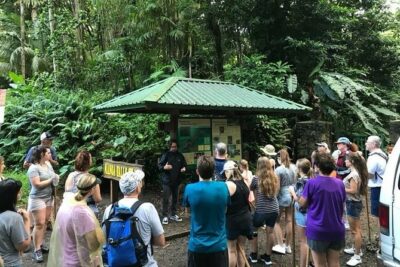
Manoa Waterfall Hike with Waikiki Pickup & Healthy Lunch
Read our review →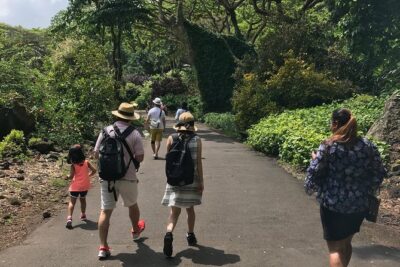
North Shore / Waimea, Falls Day & Swim with Turtles
Read our review →
Private Bucket List Adventure Day- Hikes, Beaches, Waterfalls
Read our review →Browse the lists this tour appears in